
— Pavek Museum of Electronic Communication —
Sound
Across Time
A virtual exhibition of electronic communication history — from the crackle of the first
telegraph to the amateur operators who shaped the airwaves.

Est. 1900 — 1912
The Age of Telegraph
When silence became signal
Long before radio waves carried human voices across continents, a simpler and more austere technology first knitted the world together with invisible threads of electrical impulse. The telegraph — with its stark binary language of dots and dashes — was the original internet, and the operators who mastered its rhythms were the first networked professionals.
Est. 1920 — 1923
The Advent of Radio Shacks
When silence became signal
The amateur radio operator known universally as the ‘ham’, occupied a singular place in 20th century culture. Armed with a license, a modest budget, and extraordinary patience, hams built stations in attics, basements, and spare bedrooms that could reach the far side of the globe. The Pavek founders were among them, and the shack recreated here reflects not just equipment, but a philosophy: that communication is a craft worthy of devotion.
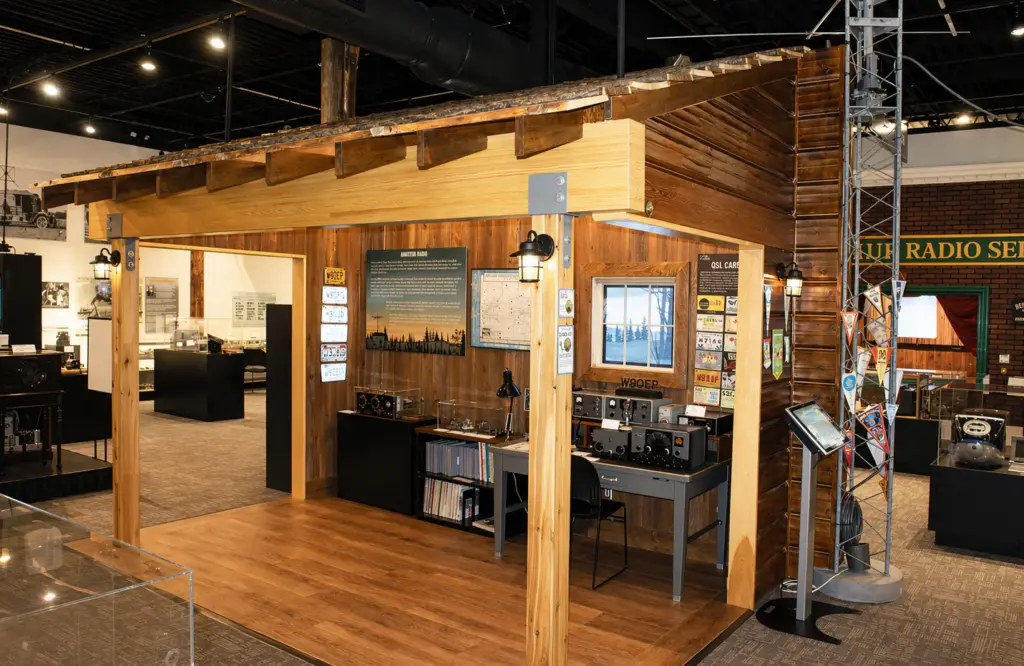
A portion of a radio shack extracted from Bekken’s office
Collection Highlights
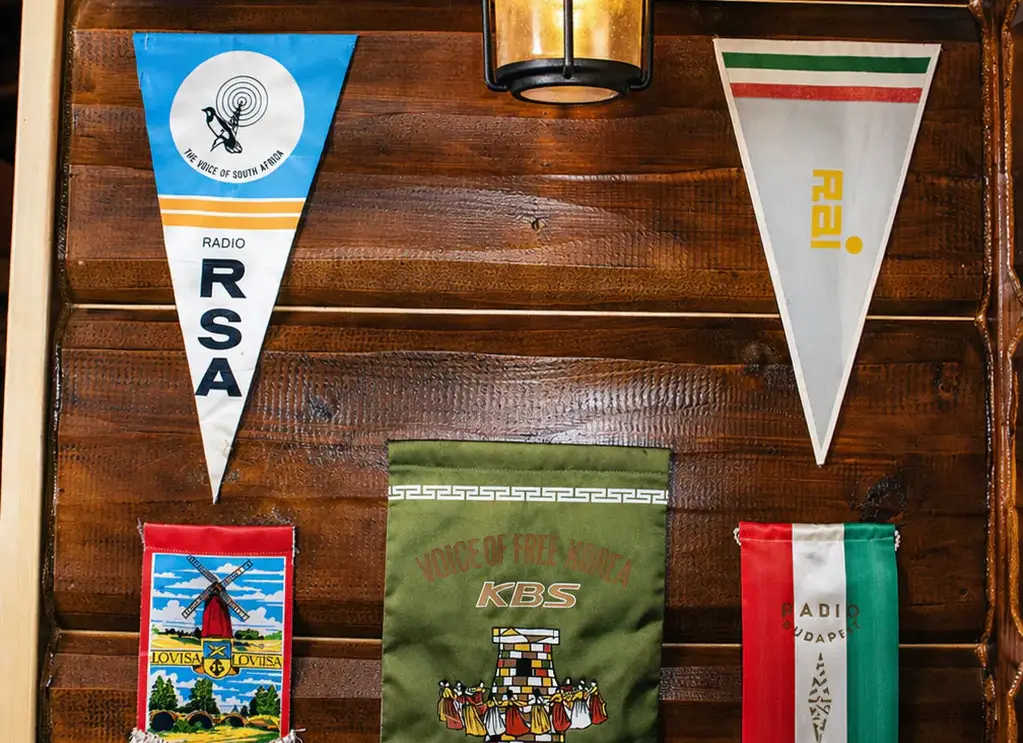
Amateur Radio
Serving the Community
Amateur Radio Operators & the Art of Contact
1910 — 1970
Hams Behind the Mic
Where Strangers Become Voices
Events such as marathons and bike-a-thons; fund-raisers such as walk-a-thons; celebrations such as parades; and exhibits at fairs, malls and museums — these are all large, preplanned, non-emergency activities.
Amateur Radio people (also called “hams”) are well known for our communications support in disaster and post-disaster situations. But did you know we also provide communication services to the public during special events?
1910 — 1970
How Amateur Radio Works
Response to Event Sponsors and Public Safety Officials
We’re called “amateurs” because we are not paid. Our services are provided at no charge. Like amateur sports, we do it for the love of it! We may be called “amateurs,” but our communications services are professional. Amateurs and their equipment can interface with both public safety efforts and event organizers. Our equipment can be made operational quickly inside a building, in a mobile command post or out in field units.
Hams are trained, organized volunteers willing to meet the communications needs of the event sponsor. Police and fire radios are for tactical or operational traffic in emergencies. Amateur Radio offers administrative radio communications options for use in your overall management and coordination of the event.
Hams have a readiness to receive specific training for your individual event. You have instant communications from the starting line to the finish line, the official’s area, net control, water stations, aid stations, medical facilities, sag wagons, floats, grandstands, parking areas, review stands and medical command facilities.
Once the necessary introductions have been made, the rest is easy because Amateur Radio people are indeed the experts in meeting communications requirements of every sort. This is what we love to do!

“Amateur radio is the only hobby where you can wake up at 3 AM, speak to a stranger in New Zealand, and feel that you have done something genuinely important.”
— W0VTW, Minneapolis, 1962
Late 1910
QSL Cards
World Frequency Identity
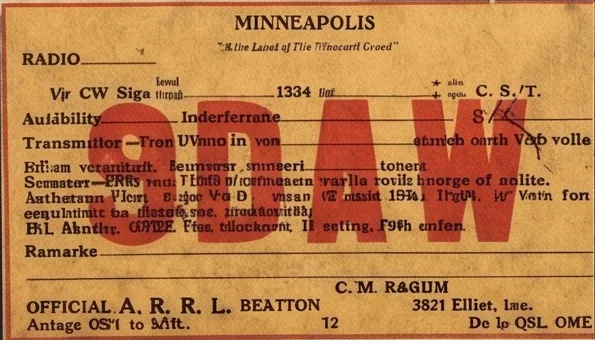
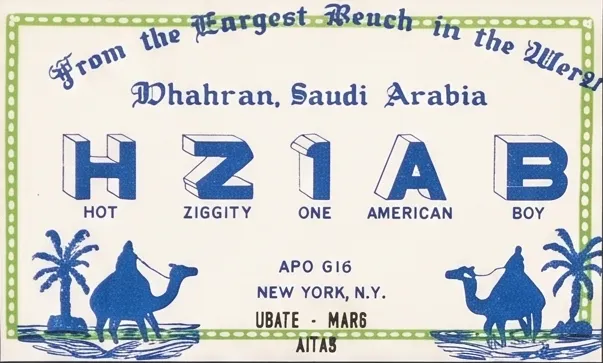
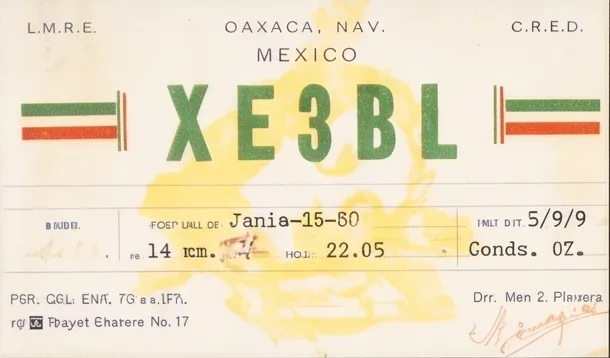
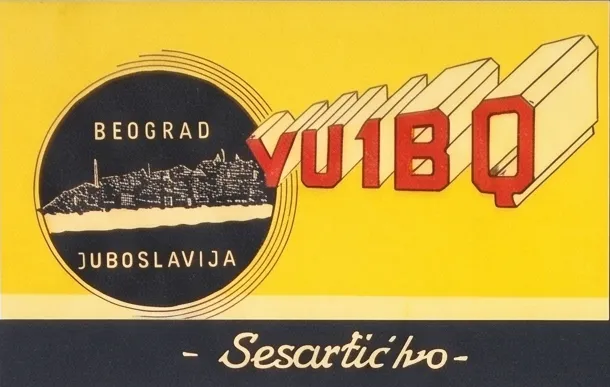
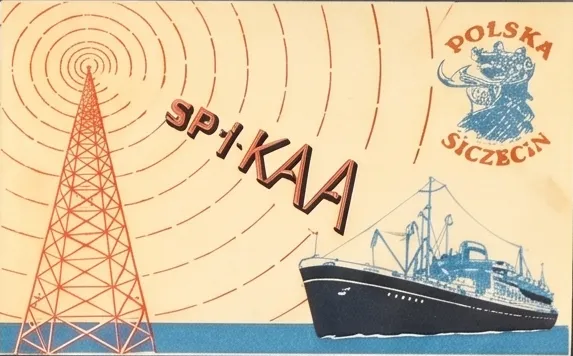
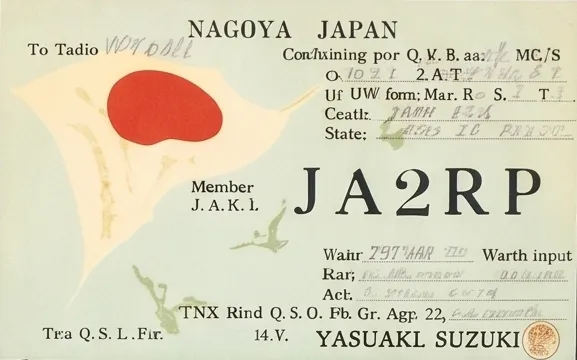
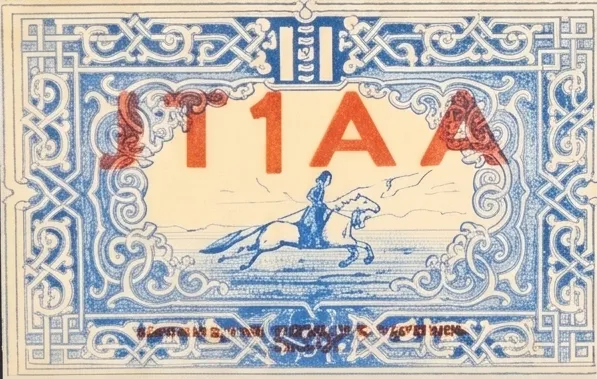
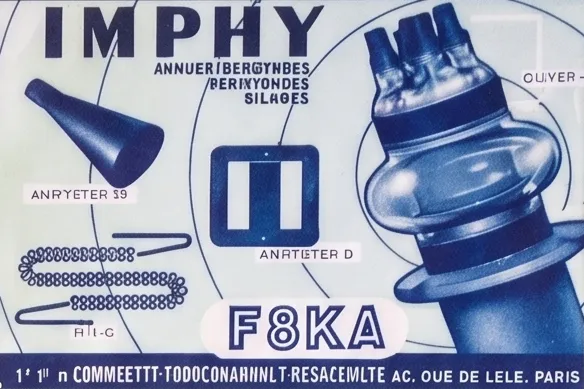
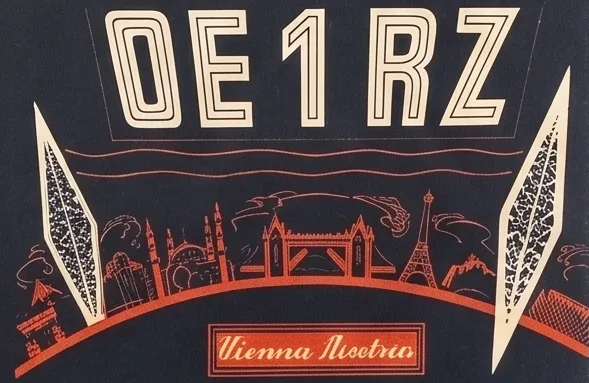
A QSL Card is a written confirmation of a radio communication. Often the size of a postcard, QSLs are designed to match the personality and locale of the operator. The cards on this poster are examples of a variety of global contacts made by Minnesota hams. Today you can save a stamp by sending QSLs via Internet. The salutation used most by hams is ’73’. Originally meaning, ‘my love to you’, it has taken on a more plutonic definition of ‘best regards’ or ‘my compliments’.
1920 — 1960
Hardware to Transceive
Tools in the Command Post
In the years between the two World Wars and into the era of post-war optimism, radio was not merely a medium — it was the nervous system of modern civilization. Families gathered around their console sets. Presidents fireside-chatted with a nation. Sportscasters invented a vocabulary. And from studios lined with acoustic tile and ribbon microphones, the golden age of broadcast was borne aloft.
Tools for Emergency Response
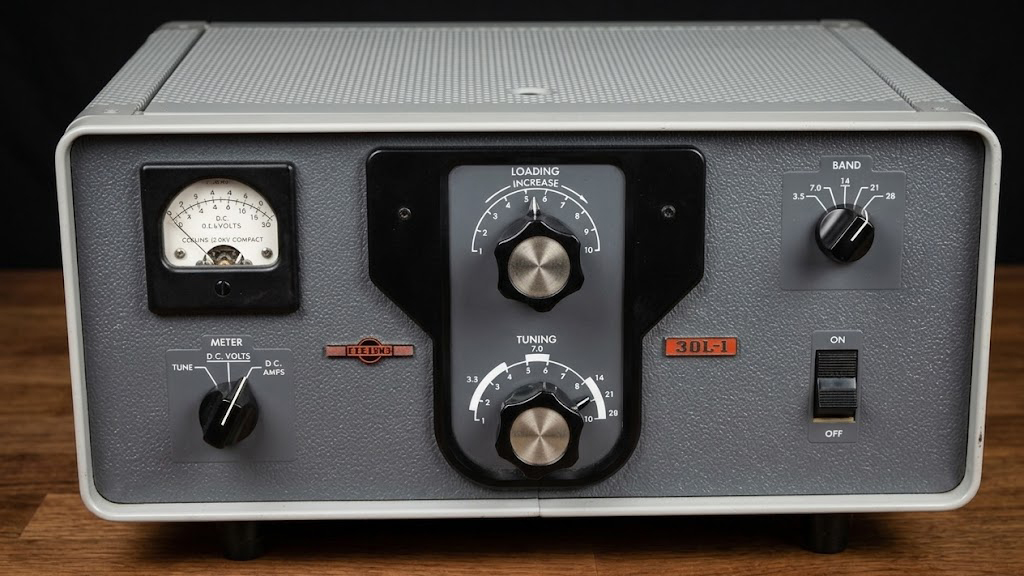
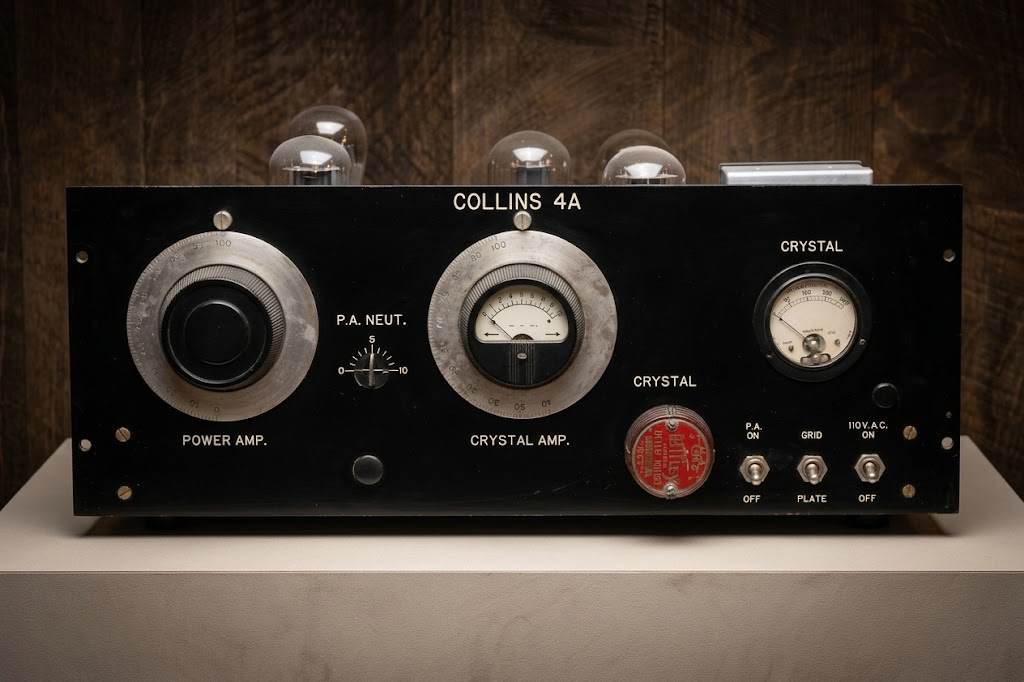
Crystal Amp Collins 4A
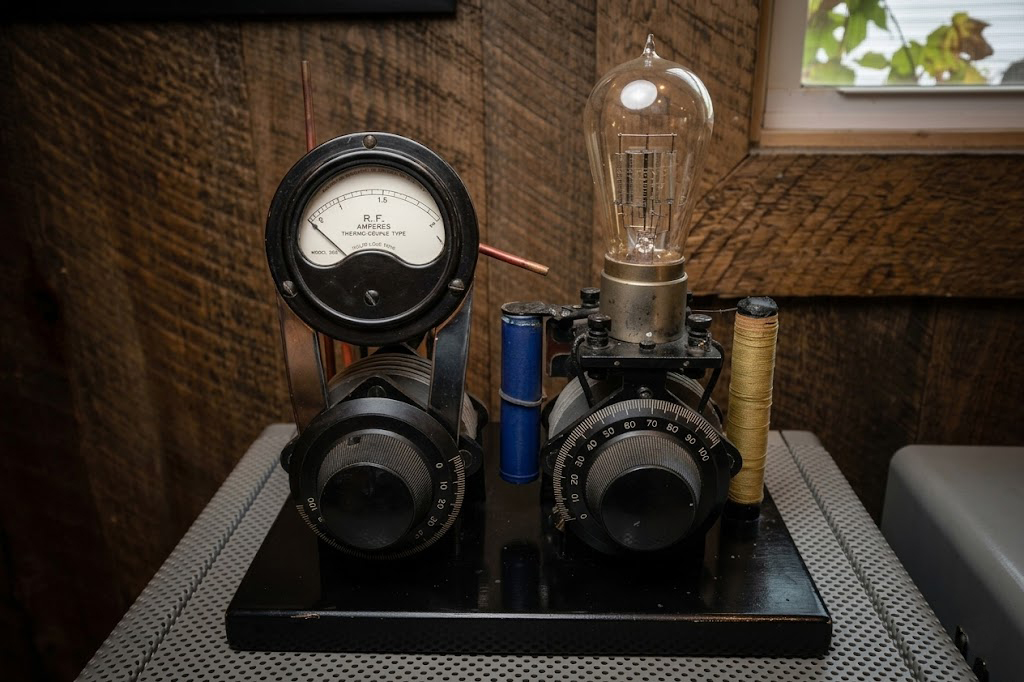
Thermo-couple Type Model 33C
The images showcase a collection of mid-century amateur radio technology, often referred to as “ham radio,” which served as the backbone of global DIY communication before the internet era. Centered around a Johnson Viking Matchbox antenna tuner and a sleek Collins SM-1 dynamic microphone, this equipment allowed operators to refine their signal and transmit voice or Morse code across vast distances.
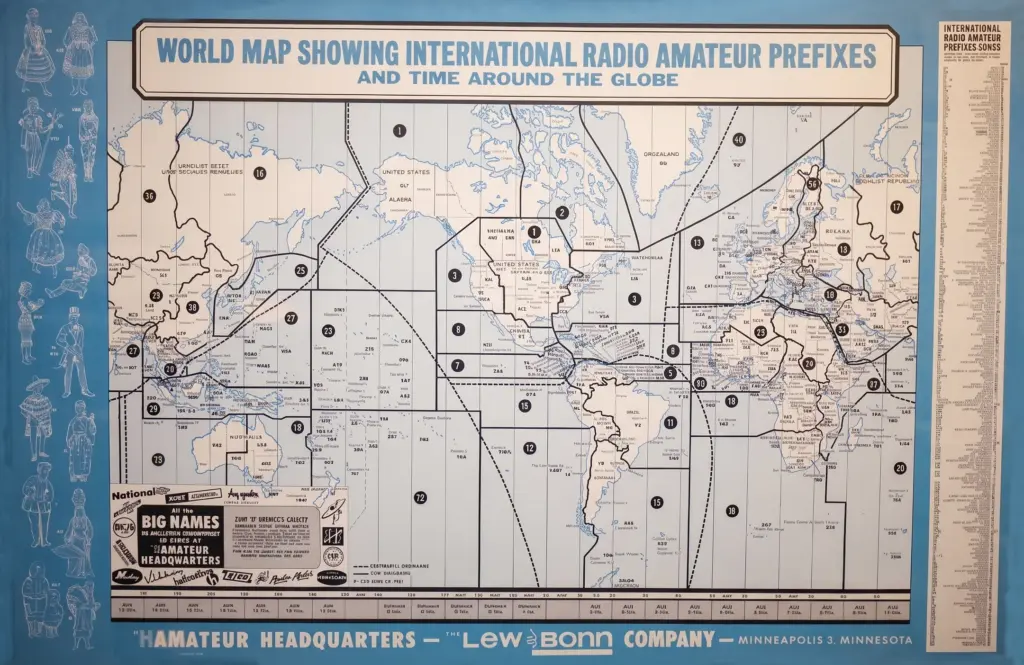
These tools were used in conjunction with detailed Amateur Radio Prefix maps, which helped operators identify the geographic location of incoming signals based on international call sign standards. More than just hobbyist gear, these “shacks” represented a pioneer spirit, providing a critical lifeline for emergency communications and technical innovation that eventually paved the way for modern satellite and cellular technology.
Collection Highlights
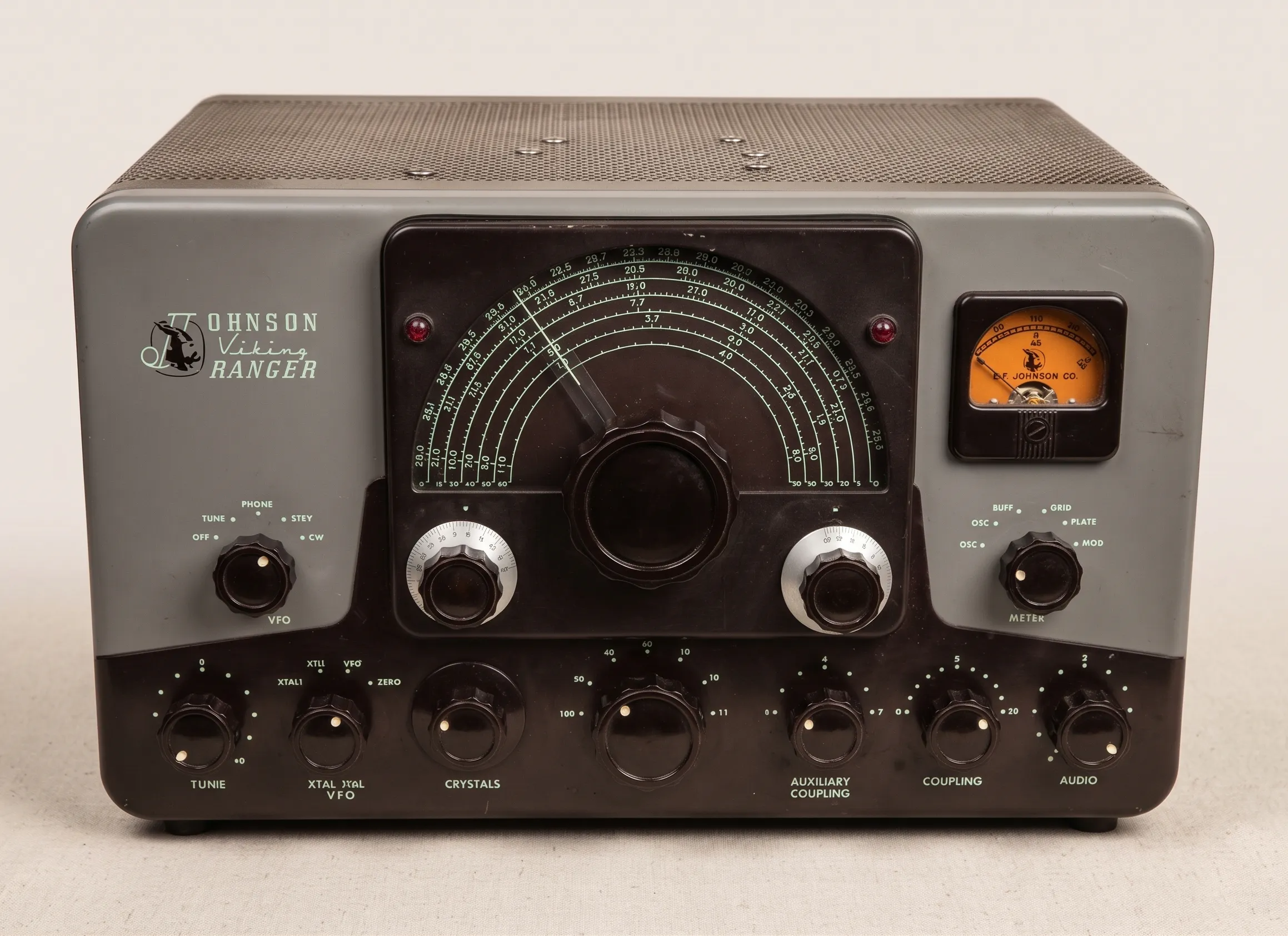
Johnson Viking Ranger
Termaline Coaxial Resistor
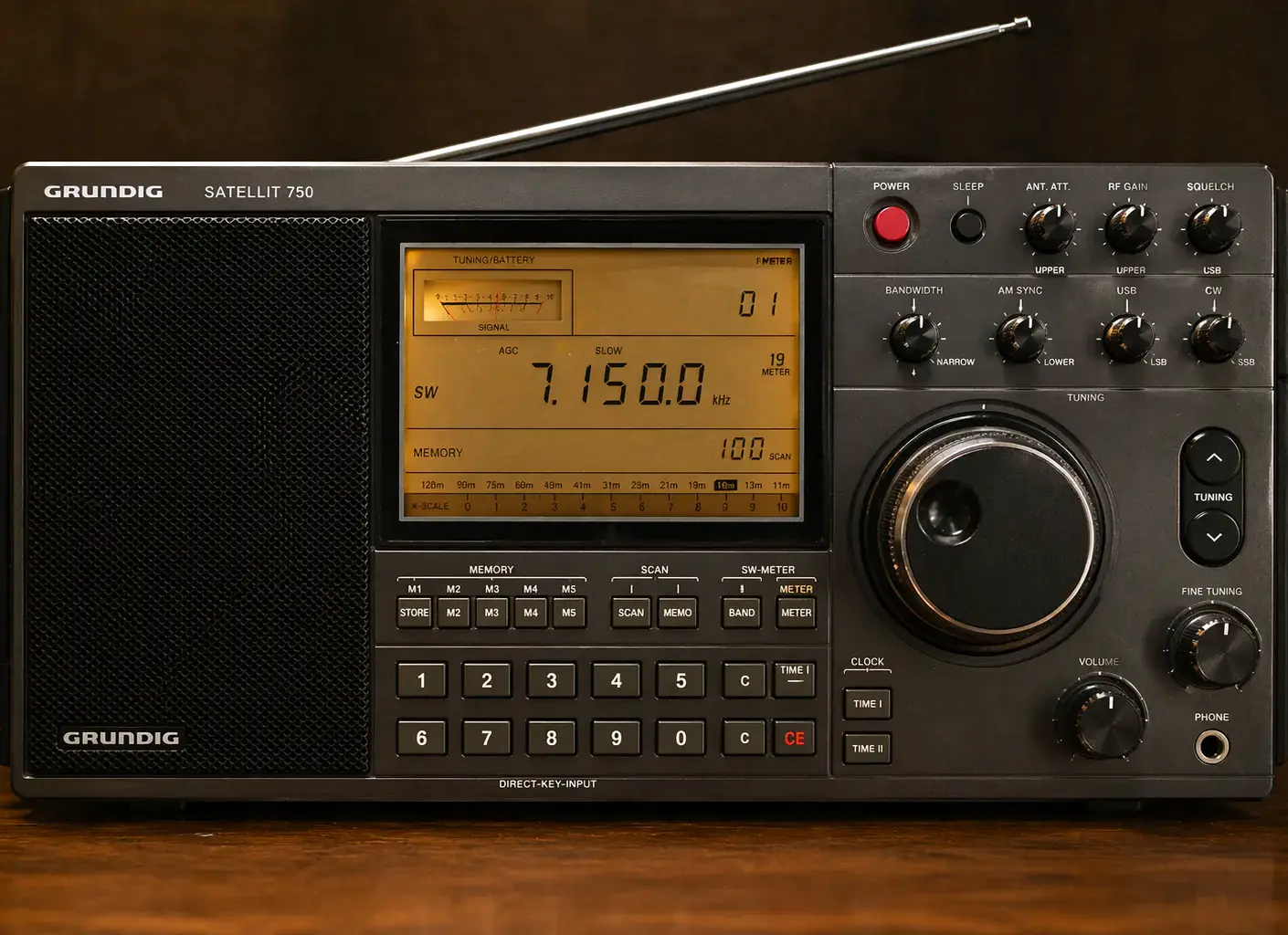
Shortwave Radio
Explore the Map of International Radio Amateur Prefixes
1970 — 1980
Morse Code Radio
How tone became SOS message
In the early days of radio, operating wireless equipment consisted of sending messages using Morse code from a spark-gap transmitter to primitive radio receivers. Due to the noise and potential dangers inherent in spark-gap transmitters, this equipment was often housed in outdoor structures, often known as radio “shacks”. A shack provided housing and isolation for a person’s two-way wireless station.
In the early 1900s, virtually all radio operation was by amateurs. This meant that most wireless operators were everyday individuals who wanted to explore this new technology. Amateur radio served as a petri dish for new communication technologies. These operators were often pioneers in the development and deployment of new communication techniques and technologies. An example is single-sideband (SSB) AM modulation for voice communications which increases the reach of transmitters whose output power is limited by regulation. Radio amateurs were even involved in the development and launch of several amateur radio satellites – beginning in 1960 with OSCAR I.
1817
Morse & Vail patent the electric telegraph
1866
First successful transatlantic telegraph cable
1895
Marconi demonstrates wireless telegraphy
1905
Marconi transmits signal across the Atlantic
1906
De Forest invents the triode vacuum tube

Ongoing
Curator’s Corner
Stories behind the collection
The Pavek Museum and its dedicated curators are the primary stewards of these historic artifacts, employing rigorous preservation standards to maintain both the physical integrity and functional legacy of early electronic communication.
“Objects are the fossils of human intention. The radio shack at the Pavek Museum is not a monument to technology — it is a monument to curiosity.”
— PAVEK MUSEUM OF ELECTRONIC COMMUNICATION · EST. 1974